If you’ve ever found yourself overwhelmed by the sheer amount of choices and steps involved in preparing healthy, delicious plant-based meals, then this Vegan Meal Planning: 5 Simple Steps to Stress-Free Eating Recipe is exactly what you’ve been waiting for. It’s a wonderfully practical guide that transforms meal planning from a daunting chore into a joyful, manageable routine. With just a handful of staple ingredients and simple strategies, you’ll unlock vibrant meals packed with nutrients and flavor—all while reducing stress and saving time. Let’s dive into these five easy steps that will revolutionize how you approach vegan cooking!
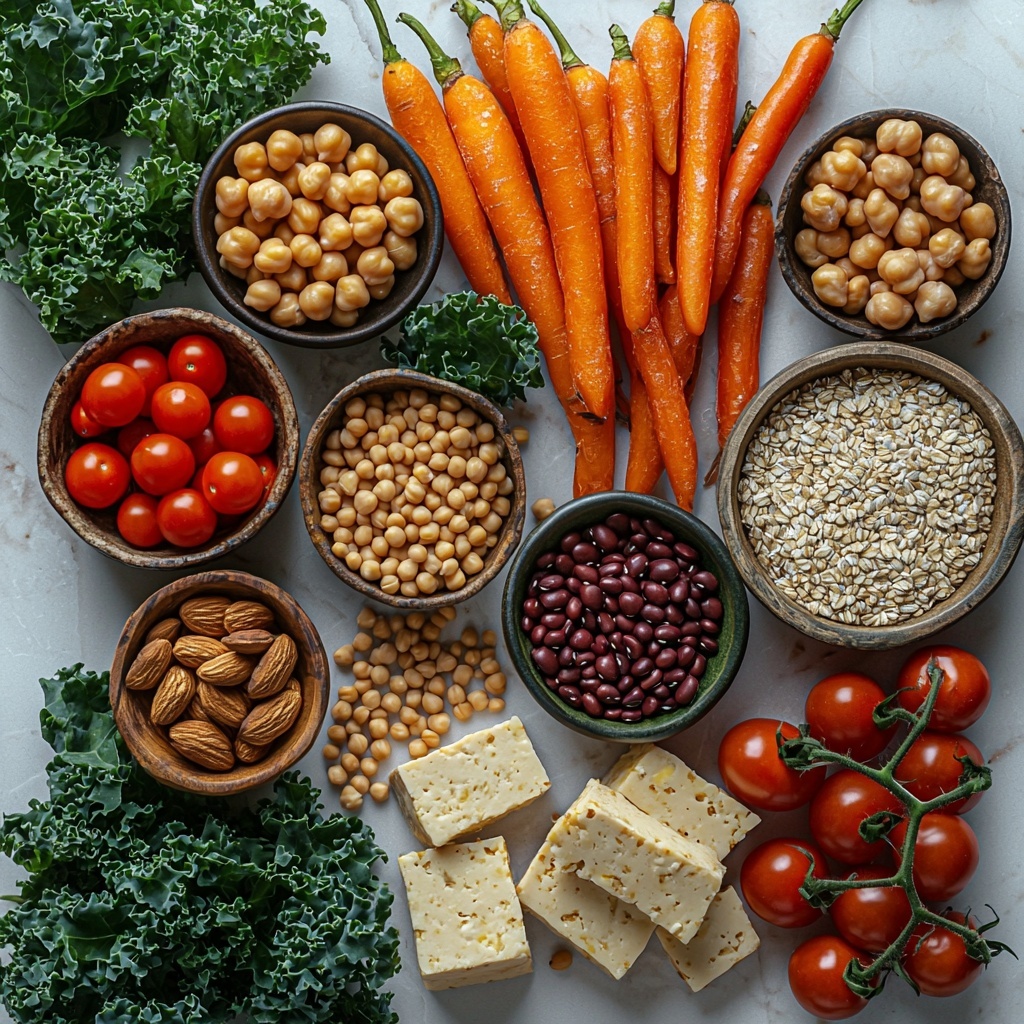
Ingredients You’ll Need
The beauty of this recipe lies in its simplicity and versatility. The ingredients you gather aren’t just for flavor—they form the foundation of balanced, satisfying meals, each bringing unique textures and nutritional perks to the table.
- Various vegetables: Fresh, colorful veggies add vibrant flavors, crunchy textures, and vital vitamins.
- Legumes: Beans, lentils, and peas provide hearty protein and fiber to keep you full.
- Whole grains: Brown rice, quinoa, and oats add wholesome carbohydrates and a satisfying chew.
- Nuts and seeds: These offer healthy fats and a delightful crunch or creaminess, depending on how you use them.
- Plant-based proteins: Tofu, tempeh, or seitan are versatile staples that soak up spices and sauces beautifully, completing your nutrient profile.
How to Make Vegan Meal Planning: 5 Simple Steps to Stress-Free Eating Recipe
Step 1: Choose Your Base Ingredients
Start smart by selecting your go-to vegetables, legumes, whole grains, nuts, seeds, and plant-based proteins. Having these basics on hand creates an adaptable recipe arsenal, meaning you can whip up countless meals without scrambling for last-minute groceries.
Step 2: Plan Your Meals for the Week
Take a moment each week to sketch out your meals. Whether it’s hearty salads, grain bowls, or stews, planning ahead keeps you focused and reduces daily decision fatigue. Plus, a meal blueprint helps you shop efficiently and minimize waste.
Step 3: Prep Ingredients in Advance
Chop veggies, soak legumes, cook grains, and portion out nuts or seeds early on. Prepping components in bulk means dinner assembly becomes a breeze, cutting your cooking time dramatically and freeing you up for the things you love.
Step 4: Store Meals Properly
Use airtight containers and label meals to keep everything fresh and easily accessible. Proper storage isn’t just about preserving flavor—it also ensures food safety and helps maintain the appealing textures you want in every bite.
Step 5: Adjust Portions as Needed
Everyone’s appetite and nutritional needs vary daily. Feel free to tweak portion sizes to suit your hunger, activity level, or personal goals. This flexibility is a key part of stress-free eating and prevents unnecessary food waste.
How to Serve Vegan Meal Planning: 5 Simple Steps to Stress-Free Eating Recipe
Garnishes
Simple touches like fresh herbs, a sprinkle of toasted seeds, a drizzle of tahini, or a splash of lemon juice can elevate your meals from good to unforgettable. Garnishes add bursts of brightness and texture contrast that make every plate pop.
Side Dishes
Pair your meals with easy sides such as lightly steamed greens, crusty whole grain bread, or a simple fruit salad. These complement the main dish and keep your meal well rounded and exciting.
Creative Ways to Present
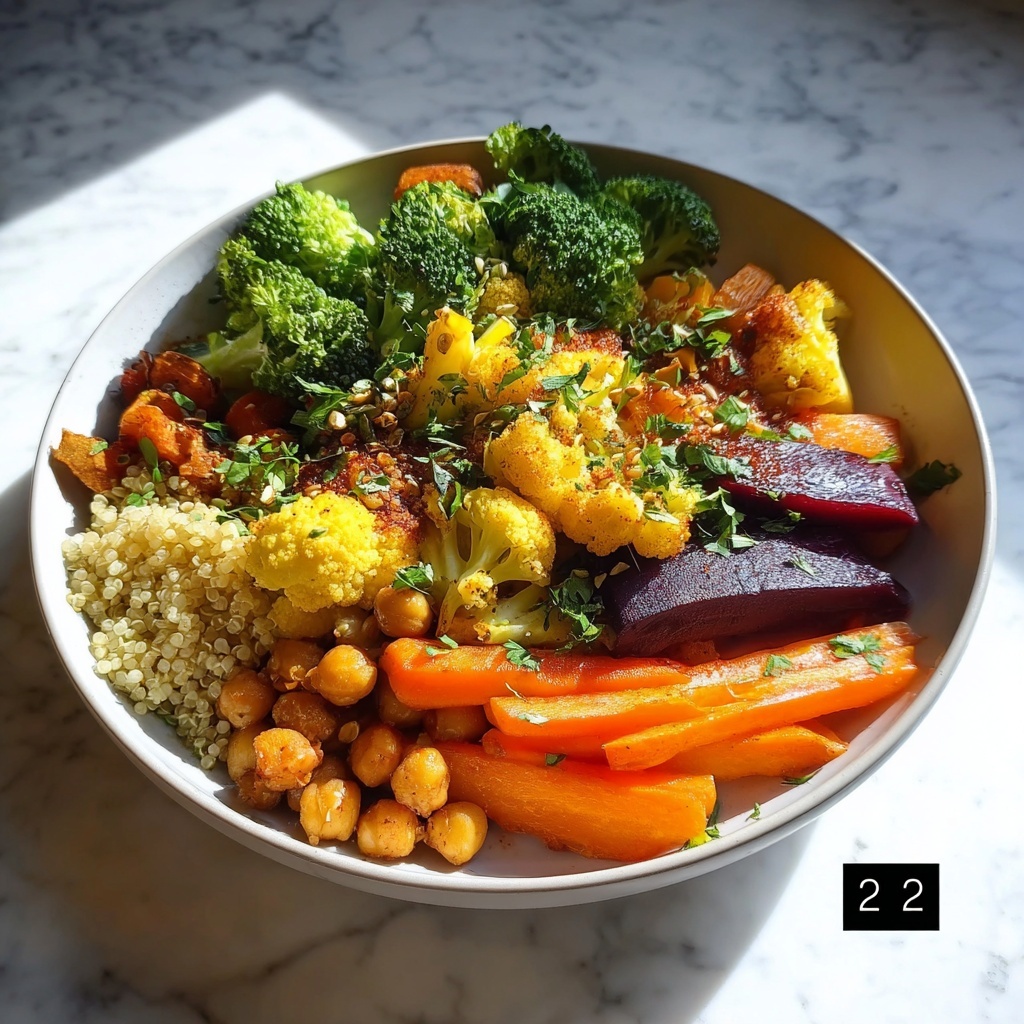
Think colorful bowls layered with grains, veggies, nuts, and proteins, or wrap your prepared ingredients in a tortilla or lettuce leaves for fun handheld meals. Presentation isn’t just for aesthetics—it makes eating feel special and inviting, too.
Make Ahead and Storage
Storing Leftovers
Store your prepared meals in airtight containers and refrigerate for up to 3-4 days. This window ensures your food stays fresh, tasty, and safe to eat, allowing you to enjoy convenience without compromising quality.
Freezing
If you want to stretch your prep even further, many components freeze well, especially cooked legumes and grains. Store portions in freezer-safe containers or bags for up to one month. Just thaw overnight in the fridge before reheating.
Reheating
Reheat leftovers gently on the stovetop or in the microwave, stirring occasionally to distribute heat evenly. Adding a splash of water or broth can help rehydrate your meal and prevent dryness, preserving the delicious textures and flavors you love.
FAQs
Can I customize the ingredients for my taste?
Absolutely! The beauty of vegan meal planning is its flexibility. Feel free to swap vegetables, legumes, or proteins based on your preferences or seasonal availability.
How do I avoid food waste while following this recipe?
Planning meals thoughtfully and storing extras properly are your best tools. Also, use frozen or canned legumes if fresh ones might spoil too quickly.
Is this recipe suitable for beginners?
Definitely! The five simple steps are designed to simplify meal prep and build confidence in the kitchen, no fancy skills required.
How can I add more flavor without extra salt?
Use herbs, spices, citrus juices, and condiments like tahini or nutritional yeast to boost flavor naturally and healthfully.
Can I adapt this meal plan for other dietary needs?
Yes, you can adjust ingredients to fit allergies or preferences, such as gluten-free grains or nut-free seed options.
Final Thoughts
Embracing the Vegan Meal Planning: 5 Simple Steps to Stress-Free Eating Recipe means welcoming ease, variety, and nourishment into your weekly routine. It’s a game-changer for anyone looking to enjoy plant-based meals without the hassle or overwhelm. Give it a try—you might just find your new favorite way to eat thoughtfully, joyfully, and stress-free.
Print
Vegan Meal Planning: 5 Simple Steps to Stress-Free Eating Recipe
- Prep Time: 30 minutes
- Cook Time: 1 hour
- Total Time: 1 hour 30 minutes
- Yield: 4 servings
- Category: Meal Planning
- Method: No-Cook
- Cuisine: Vegan
- Diet: Vegan
Description
This vegan meal planning guide offers a simple, stress-free approach to healthy eating by focusing on practical steps such as selecting base ingredients, weekly meal planning, ingredient prepping, proper storage, and portion adjustment. It emphasizes using wholesome plant-based ingredients like vegetables, legumes, whole grains, nuts, seeds, and plant-based proteins for balanced, nutritious meals that can be prepared ahead to save time and reduce daily decision fatigue.
Ingredients
Base Ingredients
- Various vegetables (e.g., kale, bell peppers, carrots, broccoli) – quantity as desired
- Legumes (e.g., lentils, chickpeas, black beans) – quantity as desired
- Whole grains (e.g., quinoa, brown rice, oats) – quantity as desired
- Nuts and seeds (e.g., almonds, chia seeds, pumpkin seeds) – quantity as desired
- Plant-based proteins (e.g., tofu, tempeh, seitan) – quantity as desired
Instructions
- Choose your base ingredients. Select a variety of vegetables, legumes, whole grains, nuts, seeds, and plant-based proteins to form the foundation of your meals, ensuring a balanced range of nutrients.
- Plan your meals for the week. Map out your meals based on the chosen base ingredients to streamline grocery shopping and reduce last-minute meal decisions.
- Prep ingredients in advance. Wash, chop, cook, or portion ingredients ahead of time to make daily cooking faster and more efficient.
- Store meals properly. Use airtight containers and refrigeration or freezing as appropriate to keep meals fresh throughout the week.
- Adjust portions as needed. Modify serving sizes based on your nutritional needs or preferences to avoid food waste and maintain balanced eating.
Notes
- This plan is flexible and adaptable to seasonal or personal ingredient preferences.
- Batch cooking can save significant time during busy weekdays.
- Incorporating diverse legumes and grains ensures a range of amino acids and nutrients.
- Store prepared meals in clearly labeled containers to maintain freshness and organization.
- Keep hydrated and complement meals with plenty of water throughout the day.