
If you’ve ever wondered how to bring that perfect balance of tangy flavor and fluffy texture to your breakfast table, you’re going to love this Sourdough English Muffins Recipe. These muffins capture everything that’s wonderful about sourdough—the gentle sourness, a tender crumb, and a golden crust dusted with cornmeal that gives it that iconic nooks-and-crannies texture. They’re not just your average English muffins; these are a delightful, homemade treat that bring warmth and comfort to any morning, perfect for spreading with butter, jam, or whatever you love most.
Ingredients You’ll Need
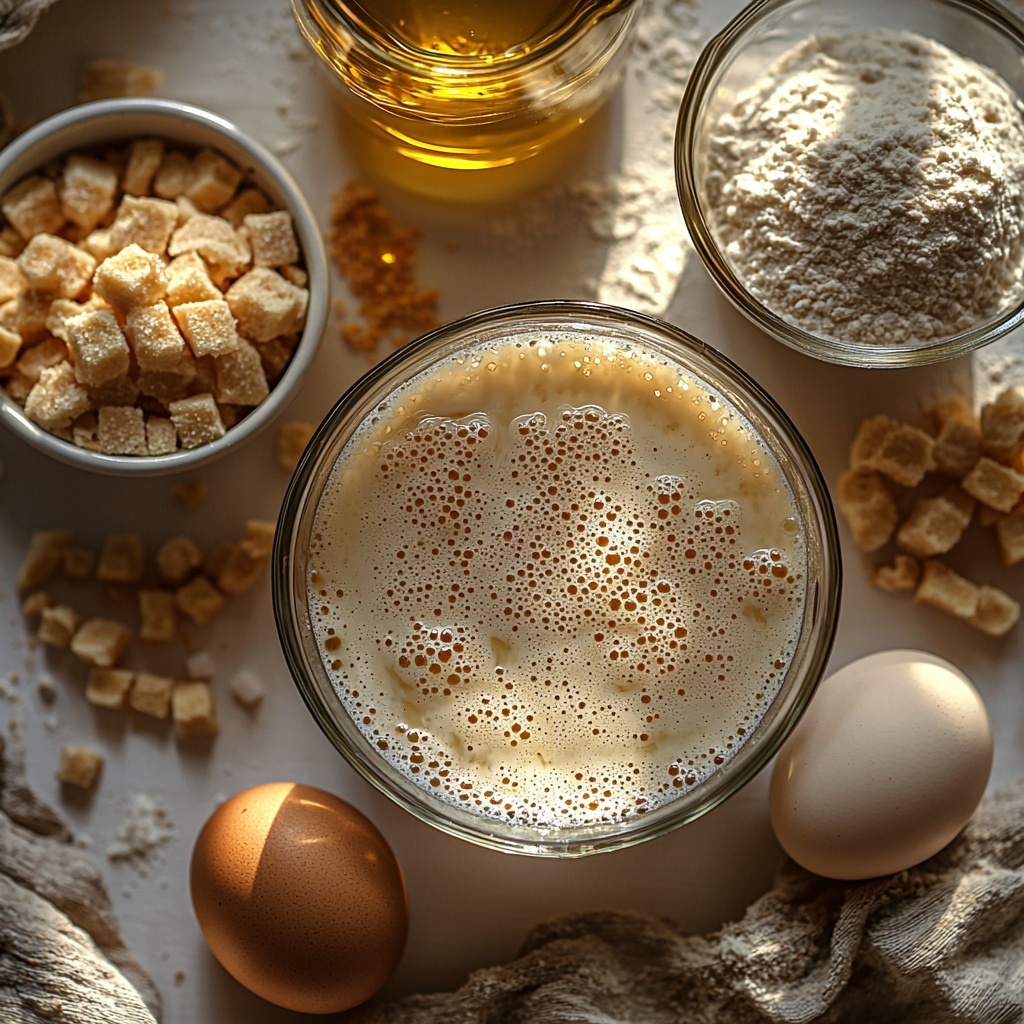
This recipe keeps things wonderfully simple with everyday ingredients that create magic together. Each plays an essential role, building the muffin’s flavor, softness, and beautiful crumb structure.
- Warm milk: Around 1 ¼ cups of warm milk helps activate the yeast and adds tenderness to the crumb.
- Sourdough discard: ½ cup introduces that signature tang and depth of flavor unique to sourdough baking.
- Oil: 3 tablespoons add moisture and keep the muffins soft and fresh longer.
- Large egg: Binds the ingredients together and contributes richness to the dough.
- Sugar: 2 tablespoons feed the yeast and create a slight sweetness that balances the sourdough’s tang.
- Instant yeast: 1 teaspoon gives the dough a little extra lift for a light texture and works well with the sourdough discard.
- Salt: 1 teaspoon enhances all the flavors and regulates yeast activity.
- All-purpose flour: 3 ¼ cups (spooned and leveled) provide structure and body to the muffins.
- Cornmeal: ¼ cup sprinkled on the baking sheet and tops creates that classic crunchy exterior and prevents sticking.
How to Make Sourdough English Muffins Recipe
Step 1: Combine the Wet Ingredients
Start by pouring the warm milk into a stand mixer bowl, then add the sourdough discard, oil, egg, sugar, instant yeast, and salt. Mix them gently to ensure all the flavors marry beautifully before the flour comes in. This step is crucial for activating the yeast and distributing those flavors evenly.
Step 2: Mix in the Flour and Knead
Add the all-purpose flour next, and switch to the dough hook on your mixer. Knead for 6 to 7 minutes until the dough feels smooth, elastic, and a little tacky but not sticky on your fingers. This texture is key to achieving that soft crumb inside your muffins.
Step 3: First Rise
Cover your mixing bowl with a clean towel or plastic wrap, then place it somewhere warm and draft-free. Let the dough rest and rise for 60 to 90 minutes, until it has noticeably puffed up and doubled in size. This slow fermentation brings out the sourdough character and lightness.
Step 4: Prepare Your Baking Surface
While the dough is rising, sprinkle a large baking sheet generously with cornmeal and line it with parchment paper. This creates that classic gritty crust and prevents the muffins from sticking as they cook.
Step 5: Shape the Muffins
Once risen, punch down the dough gently to release excess air. Transfer it to a well-floured surface and roll it out into about a 1-inch thick rectangle. Using a round cutter, cut out circles and place them spaced apart on the cornmeal-lined sheet.
Step 6: Second Rise
Sprinkle the tops of your muffins with more cornmeal for texture, then cover them loosely and let rise again for 30 to 60 minutes. They should puff up noticeably, gearing up for that tender, airy bite.
Step 7: Cook Each Muffin to Golden Perfection
Heat a large skillet over medium-low heat and brush lightly with butter. Place 3 to 4 muffins at a time in the skillet with enough space between them. Cover and cook each side for 6 to 8 minutes until they’re a beautiful golden brown with that irresistible crust. This cooking method replicates the traditional griddle-bake technique perfectly.
How to Serve Sourdough English Muffins Recipe
Garnishes
These muffins are a blank canvas for your flavor creativity. Spread a pat of creamy butter and watch it melt into those nooks and crannies, or layer with your favorite fruit preserves for a sweet touch. For a savory twist, cream cheese with chives or a slice of sharp cheddar works wonders. Fresh herbs or a drizzle of honey add delightful finishing notes.
Side Dishes
Sourdough English muffins are stars alongside a cozy cup of tea or coffee. Pair them with eggs any style—fried, scrambled, or poached—or even for a classic eggs Benedict. They also make fantastic sandwiches with ham, bacon, or avocado for a hearty lunch. Their versatility means you can make any meal special with these muffins on the side.
Creative Ways to Present
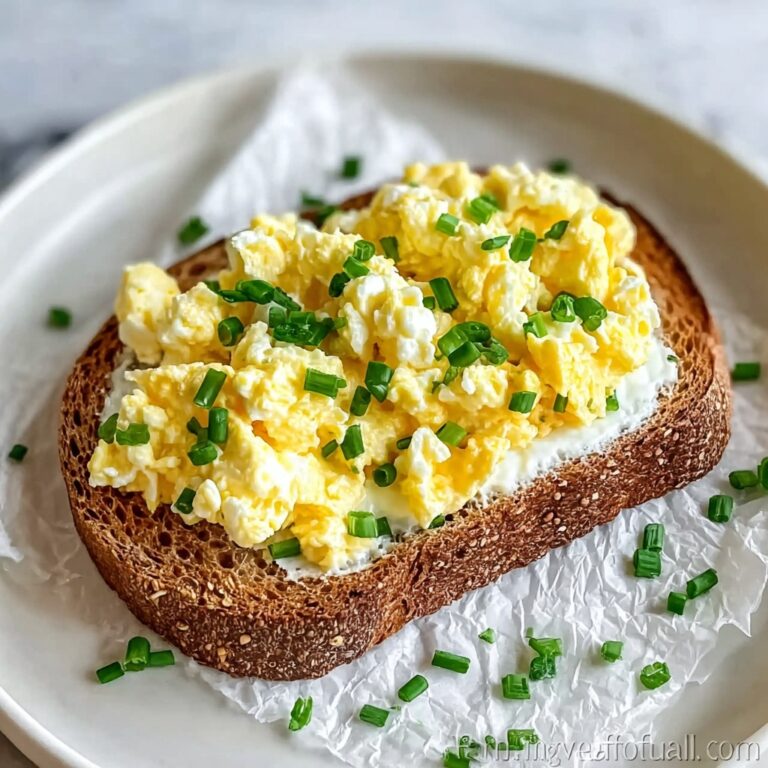
Think beyond just slicing and toasting. You can hollow them slightly and fill with creamy egg salad or your favorite breakfast hash. Turn them into mini pizzas topped with tomato sauce and cheese, or slice them into finger-sized pieces and serve as part of a brunch board with fresh fruit, nuts, and spreads. Their neutral but flavorful base lends itself to endless fun presentations.
Make Ahead and Storage
Storing Leftovers
If you have extra muffins, store them in an airtight container or resealable bag at room temperature for up to 3 days. Their texture stays moist and tender, ready to enjoy without losing the charm of that fresh-baked feel.
Freezing
For longer storage, freeze your muffins individually wrapped in plastic wrap, then place them in a freezer bag. They stay great for up to 2 months and thaw quickly, making your mornings a breeze when you’re short on time.
Reheating
Reheat frozen or stored muffins by toasting them lightly or warming on a skillet over medium heat for a few minutes on each side. This brings back their signature crust and fluffy inside perfectly, just like freshly made.
FAQs
Can I make this Sourdough English Muffins Recipe without instant yeast?
While the instant yeast helps with a reliable rise and soft texture, you can try making them with just sourdough discard if you’re willing to wait longer for fermentation. The muffins may be denser, but the flavor will still be deliciously sour.
Why do we use cornmeal on the baking sheet and muffin tops?
Cornmeal prevents the muffins from sticking during cooking and replicates that classic English muffin crust texture. It also adds a subtle crunch that contrasts wonderfully with the soft inside.
How thick should I roll the dough before cutting the muffins?
Rolling the dough to about 1 inch thick is ideal. If it’s thinner, the muffins might cook too fast and dry out, while thicker dough can make the centers doughy. This thickness gives you that perfect balance.
Can these muffins be made gluten-free?
Because the texture relies on the gluten development in all-purpose flour, substituting gluten-free flour can be tricky and may result in a different texture. If you want to experiment, use a high-quality gluten-free blend and add xanthan gum for structure, but expect some differences.
What are the best toppings or spreads for these muffins?
Classic options like butter and jam never fail, but don’t be afraid to try cream cheese with smoked salmon, nut butter with banana slices, or even savory avocado and tomato. The neutral flavor of these sourdough muffins pairs beautifully with both sweet and savory choices.
Final Thoughts
Making this Sourdough English Muffins Recipe is such a rewarding experience, especially when you see how simple ingredients transform into a beautiful, warm muffin packed with flavor and texture. They offer a fresh twist on a classic breakfast favorite that’s sure to impress family and friends. Give it a try—you might find this becoming your go-to morning ritual, bringing joy with every bite.
Print
Delicious Recipe
- Prep Time: 15 minutes
- Cook Time: 15 minutes
- Total Time: 2 hours 45 minutes
- Yield: 12 servings
- Category: Breakfast
- Method: Stovetop
- Cuisine: American
- Diet: Vegetarian
Description
These Sourdough English Muffins are soft, chewy, and packed with a tangy flavor from sourdough discard. Made from simple ingredients and cooked on the stovetop, they’re perfect for breakfast or brunch. The cornmeal adds a delightful crunch and prevents sticking, while the slow rise develops deep, complex flavors.
Ingredients
Dough
- 1¼ cups warm milk (not hot)
- ½ cup sourdough discard
- 3 tablespoons oil
- 1 large egg
- 2 tablespoons sugar
- 1 teaspoon instant yeast
- 1 teaspoon salt
- 3¼ cups all-purpose flour (spooned and leveled)
For cooking
- ¼ cup cornmeal (for sprinkling)
- Butter or oil (for greasing the skillet)
Instructions
- Mix wet ingredients and yeast: In a stand mixer bowl, combine the warm milk, sourdough discard, oil, egg, sugar, instant yeast, and salt. Mix thoroughly to incorporate all ingredients evenly.
- Add flour and knead: Gradually add the all-purpose flour to the mixture and use the dough hook attachment to knead the dough for 6-7 minutes until it becomes smooth, elastic, and slightly tacky but not sticky.
- First rise: Cover the dough bowl with a clean towel or plastic wrap and let it rise in a warm, draft-free area for 60 to 90 minutes, until it has noticeably risen and is puffy.
- Prepare baking surface: Sprinkle cornmeal generously over a large baking sheet lined with parchment paper. This will prevent the muffins from sticking and add texture.
- Shape the muffins: Punch down the risen dough to release air, transfer it to a well-floured surface, and roll it out to a 1-inch thick rectangle. Use a round cutter or glass to cut circles from the dough and place them spaced apart on the cornmeal-coated baking sheet.
- Second rise: Sprinkle additional cornmeal on top of the cut dough circles. Cover them loosely with a towel or plastic wrap and let them rise for another 30 to 60 minutes, until noticeably puffed and slightly risen.
- Cook the muffins: Heat a large skillet or griddle over medium-low heat. Lightly grease the surface with butter or oil. Place 3 to 4 dough pieces onto the skillet with space in between. Cover and cook for 6-8 minutes on each side, or until the muffins are golden brown and cooked through.
Notes
- Use warm milk to encourage yeast activation but avoid hot milk which can kill the yeast.
- Sourdough discard adds a tangy flavor and improves texture but can be substituted with an equal amount of milk and a little extra yeast if unavailable.
- Adjust cooking temperature if muffins brown too quickly to ensure they cook fully inside.
- Store leftovers in an airtight container or freeze for longer storage. Toast before serving.
- Use a floured cutter to prevent dough from sticking when shaping muffins.