
“`html
If you have ever dreamed of biting into a loaf that combines the buttery flakiness of a croissant with the comforting shape of a bread loaf, then you are in for an absolute treat with this Croissant Bread Loaf Recipe. This delightful hybrid brings together the best of both worlds: layers of tender, buttery dough that pull apart in soft ribbons, nestled inside a crusty, golden loaf. It’s a showstopper for brunch, an irresistible sandwich base, or just a luxurious accompaniment to your morning coffee.
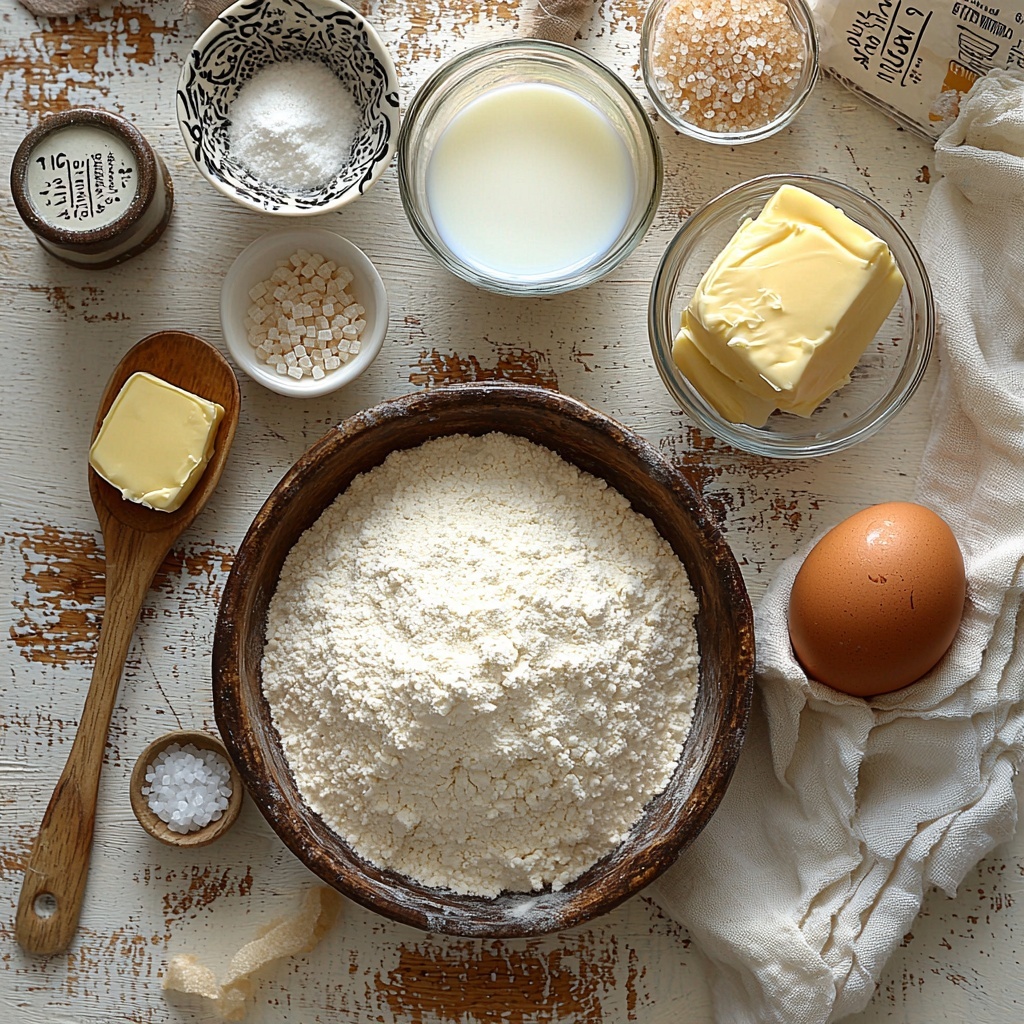
Ingredients You’ll Need
The magic of the Croissant Bread Loaf starts with simple, classic ingredients that work harmoniously together. Each component plays a crucial role — from creating that buttery, flaky texture to giving the loaf a golden, tender crumb.
- 3 cups all-purpose or bread flour: Provides the essential structure and chewy texture that croissant dough is known for.
- 1 cup unsalted butter (plus extra for lamination): This is the star ingredient that creates rich layers and a melt-in-your-mouth softness.
- 1 cup warm milk: Adds moisture and a tender crumb, while the warmth helps activate the yeast.
- 2 tablespoons sugar: Feeds the yeast and adds just a hint of sweetness to balance the butter.
- 1 1/2 teaspoons salt: Enhances flavor and tightens gluten structure for a perfect dough.
- 2 1/4 teaspoons active dry yeast (1 packet): The essential leavening agent that makes the dough rise and develop lightness.
- 1 large egg (for egg wash): Gives the crust a beautiful, shiny golden finish.
- 1/4 cup warm water (for activating yeast): Helps kick-start the yeast so your dough gets that perfect rise.
How to Make Croissant Bread Loaf Recipe
Step 1: Activate the Yeast
Start by mixing the warm water, sugar, and yeast in a small bowl. Let this mixture sit undisturbed for 5 to 10 minutes until it’s frothy and alive with bubbles. This step is crucial because it tells you your yeast is active and ready to do its magic in the dough.
Step 2: Mix and Knead the Dough
Next, combine the flour, warm milk, melted butter, salt, and the activated yeast in a large bowl. Stir until it forms a shaggy mass, then knead by hand or with a stand mixer for 8 to 10 minutes until the dough becomes smooth and elastic. This kneading builds the gluten framework that gives your bread structure while remaining tender.
Step 3: First Rise
Cover the dough and let it rest in a warm spot for about 45 minutes. During this time, the dough will puff up as the yeast ferments, infusing the loaf with signature lightness and airiness.
Step 4: Laminate the Dough
Roll the rested dough into a rectangle, then grate chilled butter over one half. Fold the dough over the butter and roll it out again, then fold it into thirds, like a letter. Chill this dough for 30 minutes to firm up the butter layer. This step is essential for creating the crispy, flaky layers reminiscent of a classic croissant.
Step 5: Repeat the Lamination
Perform the lamination process 2 to 3 more times, chilling the dough between each fold. This layered folding and chilling create thin sheets of butter trapped within the dough, key to the croissant bread texture you want.
Step 6: Shape and Proof the Loaf
After your final fold, roll out the laminated dough and fold it into a loaf shape. Place it carefully into a greased loaf pan, then cover and let it proof until it’s puffed and airy—usually about 1 to 1.5 hours.
Step 7: Prepare for Baking
While the final proof is finishing, preheat your oven to 400°F (200°C). Brush the top of your loaf with a beaten egg wash to give it that stunning golden sheen that promises deliciousness inside and out.
Step 8: Bake the Loaf
Place the loaf in the hot oven and bake it covered for 20 minutes. Then remove the cover and continue baking for another 20 to 25 minutes, until the crust is deeply golden and the internal temperature hits 200°F (95°C). The covered baking helps keep the loaf moist initially, while uncovering it creates the browned, crispy crust.
Step 9: Cool Before Slicing
Once out of the oven, let the croissant bread cool for 20 to 30 minutes. This resting period allows the layers to settle so that when you slice into it, the loaf doesn’t squash and the flaky texture holds beautifully.
How to Serve Croissant Bread Loaf Recipe
Garnishes
This Croissant Bread Loaf is stunning on its own thanks to that golden, buttery crust, but you can always add a light dusting of powdered sugar for a sweet touch, or some flaky sea salt sprinkled on top right after baking to elevate the savory richness.
Side Dishes
Pair slices of this loaf with fresh fruit preserves, creamy cheeses like Brie or Camembert, or even savory spreads like smoked salmon and herbed cream cheese. It also makes an impeccable base for sandwiches filled with deli meats and crisp veggies, ideal for brunch or lunch.
Creative Ways to Present
Try slicing the loaf thickly, then toast it lightly and layer it with your favorite breakfast ingredients like avocado and poached eggs. You can also hollow out the center to create a pull-apart bread bowl filled with spinach dip or melted cheese — a guaranteed crowd-pleaser.
Make Ahead and Storage
Storing Leftovers
Once cooled, store any leftover Croissant Bread Loaf wrapped tightly in plastic wrap or in an airtight container at room temperature. It will stay fresh for 3 to 4 days, keeping that golden crust and tender, flaky inside intact.
Freezing
This loaf freezes beautifully. Wrap it thoroughly in plastic wrap and place it in a freezer-safe bag or container. Frozen loaf can be stored for up to 1 month without losing quality, so you can enjoy your Croissant Bread Loaf Recipe anytime you want a buttery treat.
Reheating
To revive your loaf, thaw frozen slices at room temperature, then warm them in a 350°F (175°C) oven for 5 to 10 minutes. This reheating method crisps the exterior while preserving the flaky layers and soft crumb, just like fresh from the oven.
FAQs
Can I use all-purpose flour instead of bread flour?
Yes, both all-purpose and bread flour work well for this Croissant Bread Loaf Recipe. Bread flour will give you a bit more chewiness and structure, but all-purpose will produce a tender, delicious loaf as well.
How important is the lamination process?
Lamination is key to achieving those signature flaky layers that set this recipe apart from regular bread. Skipping or rushing this step will result in a less flaky and more bread-like texture, so be patient and enjoy the process.
Can I prepare this dough the day before baking?
Absolutely! After the first rise and lamination, you can refrigerate the dough overnight to slow fermentation. Just let it come to room temperature and proof fully before baking the next day.
What is the best way to slice the loaf?
Use a serrated bread knife and slice gently to preserve the flaky layers. Letting the loaf cool completely first helps prevent squashing the delicate layers.
Can I make this recipe dairy-free?
While butter and milk are essential for that classic buttery taste and texture, you can experiment with plant-based alternatives like vegan butter and almond milk. Keep in mind this may affect the final texture and flavor slightly.
Final Thoughts
This Croissant Bread Loaf Recipe is truly a labor of love, but oh so worth every delicious minute. Imagine pulling apart those golden, buttery layers and savoring the tender, flaky crumb with each bite. Whether for a special breakfast, an elegant brunch, or just because you deserve something extraordinary, this loaf will soon be a treasured favorite. So go ahead, embrace the process, and treat yourself to this magnificent homemade croissant bread experience—you won’t regret it!
“`
Print
Croissant Bread Loaf Recipe
- Prep Time: 1 hour 30 minutes (including yeast activation, dough mixing, initial rise, and chilling between laminations)
- Cook Time: 45 minutes
- Total Time: 7 hours (including proofing and resting; primarily inactive time for rises and chilling)
- Yield: 1 loaf (about 8-10 slices)
- Category: Baking
- Method: Baking
- Cuisine: French
Description
This Croissant Bread Loaf combines the flaky, buttery layers of classic croissants with the shape and convenience of a loaf, perfect for slicing and serving as sandwich bread or toasted breakfast slices. Featuring a rich yeast dough laminated with butter, this loaf requires time and patience but results in a soft, airy crumb wrapped in golden, crispy layers.
Ingredients
Dough & Yeast Activation
- 3 cups all-purpose or bread flour
- 1 cup warm milk
- 1 cup unsalted butter (plus extra for lamination)
- 2 tablespoons sugar
- 1 1/2 teaspoons salt
- 2 1/4 teaspoons active dry yeast (1 packet)
- 1/4 cup warm water (for activating yeast)
Egg Wash
- 1 large egg (for egg wash)
Instructions
- Activate Yeast: Combine warm water, sugar, and active dry yeast in a small bowl. Let sit until frothy, about 5–10 minutes to confirm the yeast is active.
- Mix Dough: In a large bowl, combine flour, warm milk, melted butter, salt, and the activated yeast mixture. Stir to form a shaggy dough, then knead on a floured surface or mixer for 8–10 minutes until the dough is smooth and elastic.
- First Rise: Cover the dough and let it rise in a warm place until it has puffed up, about 45 minutes.
- Laminate Dough: Roll dough into a rectangle. Grate frozen butter over one half of the dough, then fold the other half over the butter. Roll out again and fold the dough into thirds. Chill the dough in the refrigerator for 30 minutes.
- Repeat Lamination: Repeat the butter lamination process 2 to 3 more times, chilling between each fold for 30 minutes. This creates the distinct flaky layers characteristic of croissants.
- Shape and Proof: Roll out the laminated dough and fold it into a loaf shape. Place it into a greased loaf pan and let it proof until puffy and nearly doubled, approximately 1 to 1.5 hours.
- Preheat Oven and Prepare Loaf: Preheat your oven to 400°F (200°C). Brush the loaf’s surface with a beaten egg to create a shiny, golden crust.
- Bake: Bake the loaf covered for 20 minutes to trap steam and aid rising, then uncover and bake for an additional 20–25 minutes until the loaf has a deep golden color and an internal temperature of 200°F (95°C) is reached.
- Cool Before Slicing: Remove the loaf from the oven and cool it for 20–30 minutes before slicing. This resting period helps set the crumb and prevents squashing the delicate layers.
Notes
- Using bread flour will yield a chewier texture, while all-purpose flour produces a softer crumb.
- Ensure the butter for lamination is very cold or frozen to create distinct flaky layers.
- Proofing times may vary depending on room temperature; the dough should nearly double in size.
- To test doneness, an internal temperature of 200°F (95°C) is ideal for this enriched dough loaf.
- For a richer flavor, use European-style butter with higher fat content.