
If you’ve ever dreamed of crafting the perfect homemade pizza with that irresistibly tangy depth and delightful chew, this Sourdough Pizza Dough Recipe is your new best friend. Combining the rustic charm of traditional sourdough fermentation with a straightforward, hands-on approach, this dough delivers a beautifully crisp crust with just the right amount of stretch and flavor. Whether you’re a seasoned baker or just dipping your toes into the world of sourdough, this recipe brings joy and deliciousness right from your own kitchen.
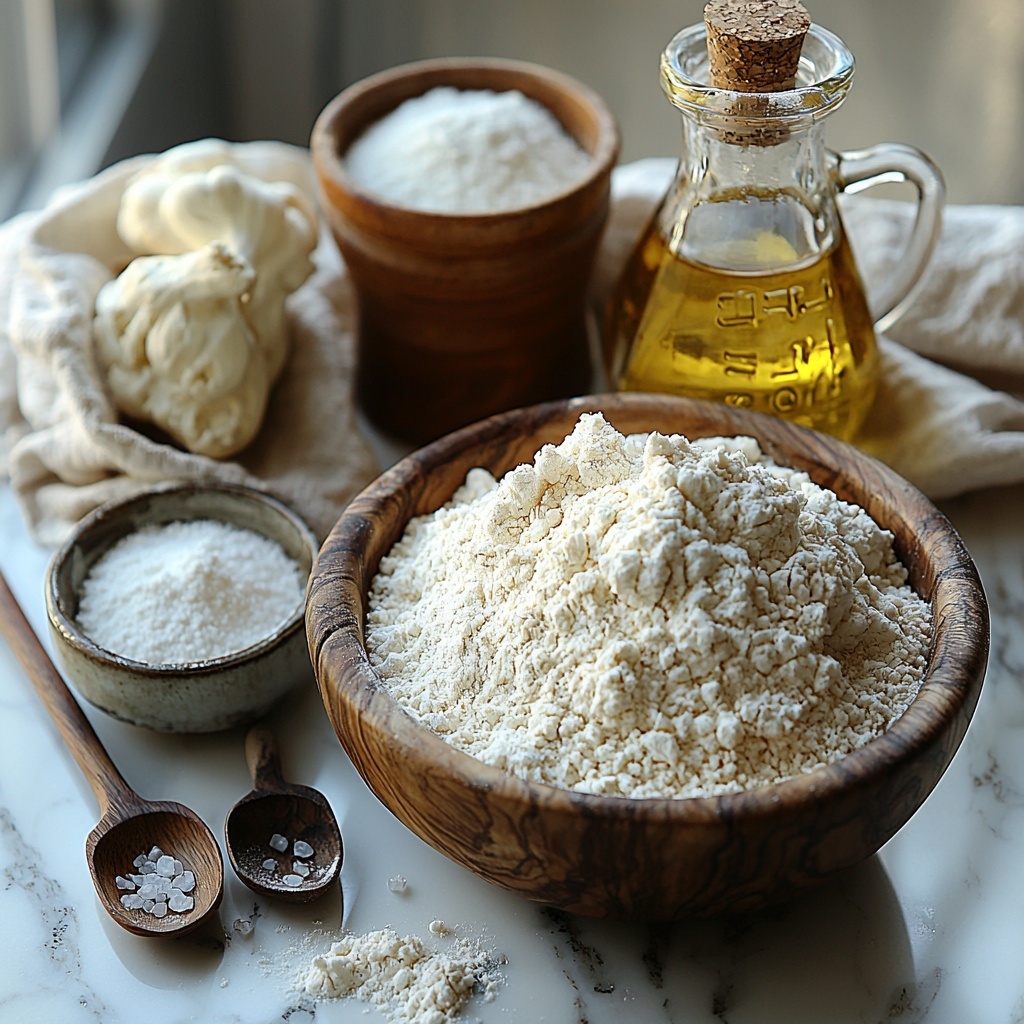
Ingredients You’ll Need
Getting the ingredients right is the foundation of any great recipe, and with this sourdough pizza dough, simplicity and quality truly shine. Each component plays a crucial role in building that tender crumb, irresistible rise, and flavorful crust you crave.
- 3 cups all-purpose flour: Provides the perfect balance of gluten for structure and softness in your pizza base.
- 1 cup active sourdough starter: The heart of the dough, offering natural leavening and a distinct tangy flavor.
- 1 cup lukewarm water: Hydrates the flour to create a pliable, easy-to-work dough while activating the starter.
- 2 tsp salt: Enhances flavor and strengthens the gluten network for a chewy, satisfying texture.
- 2 tbsp olive oil: Adds moisture and richness, helping create a crisp golden crust during baking.
How to Make Sourdough Pizza Dough Recipe
Step 1: Combine Dry Ingredients
Start by gathering all your ingredients so everything is ready to go—it makes the process smoother and more enjoyable. In a large bowl, whisk together the all-purpose flour and salt. This step ensures the salt is evenly distributed, which is essential for the dough’s flavor and gluten development.
Step 2: Mix in Starter and Water
Next, add your active sourdough starter and lukewarm water to the flour mixture. Stir until everything is combined into a rough dough. The sourdough starter brings that signature tang and natural rise, while lukewarm water wakes up the yeast and bacteria, setting the fermentation magic into motion.
Step 3: Knead the Dough
Turn your dough out onto a floured surface and knead it for about ten minutes. This kneading process is where gluten starts to develop, giving your dough strength and elasticity. You’ll know it’s ready when the dough feels smooth and springs back when pressed gently.
Step 4: Let the Dough Rise
Grease a bowl with a little olive oil, place your dough inside, and cover it with a damp cloth. Let it rest and ferment for 4 to 6 hours until it doubles in size. This slower rise brought by the sourdough starter encourages complex flavors and an airy texture, making every bite deeply satisfying.
Step 5: Shape the Dough
After the dough has risen beautifully, punch it down gently to release gas bubbles. Divide it into two equal portions for two large pizzas. Now’s the fun part—shape each portion into a round base, ready to be topped with your favorite ingredients.
Step 6: Preheat and Prepare to Bake
Preheat your oven to a blistering 475°F (245°C). Getting your oven nice and hot is key to mimicking the high temperatures of a traditional pizza oven, resulting in a crust that’s crisp on the outside and delightfully chewy inside. Prepare your pizzas on baking sheets or stones while the oven heats up.
How to Serve Sourdough Pizza Dough Recipe
Garnishes
While the dough is the star, what you put on top can make all the difference. Fresh basil leaves, a drizzle of extra virgin olive oil, or a sprinkle of flaky sea salt right after baking elevate the flavors beautifully. Consider finishing with a pinch of chili flakes, or a handful of arugula for a peppery freshness that contrasts wonderfully with the tangy crust.
Side Dishes
Pairing your sourdough pizza with the right sides enhances the whole meal experience. A crisp Caesar salad or a vibrant tomato-cucumber salad with a splash of lemon juice can lighten the plate. For something heartier, roasted garlic parmesan potatoes or grilled vegetables complement the rich, fermented flavors of the crust perfectly.
Creative Ways to Present
Transforming your Sourdough Pizza Dough Recipe into a feast for the eyes is as delightful as for the taste buds. Try a rustic rollout of the dough with edges folded over for a charming calzone, or create mini pizzas as fun finger-food for gatherings. You can even swirl in herbs or garlic-infused olive oil directly into the dough before baking for an extra flavor surprise.
Make Ahead and Storage
Storing Leftovers
If you have leftover pizza dough, wrap it tightly in plastic wrap or place it in an airtight container stored in the refrigerator. It can keep fresh for up to 48 hours, giving you an easy base for another pizza night or impromptu garlic knots.
Freezing
For longer storage, freezing is a fantastic option. Divide the dough into portions, place them in freezer-safe bags, and freeze for up to 3 months. When you’re ready to use it, thaw slowly in the refrigerator overnight and allow it to come to room temperature before shaping.
Reheating
Reheat your baked pizza on a baking sheet in a preheated oven at 400°F (200°C) for about 5-7 minutes to restore crispness without drying it out. Avoid microwaving, as it tends to make the crust soggy and chewy in an unpleasant way.
FAQs
Can I use a different type of flour for this Sourdough Pizza Dough Recipe?
Yes! While all-purpose flour is ideal for its balance of gluten content, bread flour can make the dough chewier and crisper, thanks to its higher protein. Just adjust hydration slightly if using whole wheat or other flours, as they absorb water differently.
What if my sourdough starter isn’t very active?
If your starter is sluggish, it might slow down the rising process. Try feeding it a day before you plan to make your dough and keep it in a warm spot to boost activity. Using a bubbly, active starter ensures better rise and flavor development in your dough.
How long can I let the dough ferment?
The 4-6 hour rise is standard, but feel free to extend fermentation up to 12 hours at room temperature or refrigerate overnight for even more complex flavors. Keep in mind, longer fermentation can yield a tangier taste and airier texture.
Can I make this dough without olive oil?
While olive oil adds moisture and richness, you can omit it if necessary. The dough will be slightly less tender and crisp on the crust, but the sourdough tang and chewy texture will still shine through beautifully.
Is it necessary to punch down the dough after rising?
Punching down gently releases gas bubbles trapped in the dough, making it easier to shape and producing a more even crumb once baked. Skipping this step might result in irregular bubbles and a less uniform crust.
Final Thoughts
There’s nothing quite like the satisfaction of baking your own pizza with a crust that’s packed full of flavor, texture, and a hint of sourdough magic. This Sourdough Pizza Dough Recipe brings all those elements to life with simple ingredients and a bit of patience, resulting in a truly memorable homemade pizza experience. So grab your starter, roll up your sleeves, and dive into this rewarding dough—it’s bound to become a beloved staple in your kitchen.
Print
Sourdough Pizza Dough Recipe
- Prep Time: 15 minutes
- Cook Time: 10 minutes
- Total Time: 4 hours 25 minutes to 6 hours 25 minutes
- Yield: 4 servings, makes enough dough for two large pizzas
- Category: Bread/Dough
- Method: Baking
- Cuisine: Italian
- Diet: Vegetarian
Description
This Sourdough Pizza Dough recipe creates a flavorful, chewy crust with a hint of tanginess, perfect for making two large homemade pizzas. Using a natural sourdough starter enhances the texture and depth of flavor, while the straightforward preparation allows even beginners to achieve an impressive artisanal base.
Ingredients
Dry Ingredients
- 3 cups all-purpose flour
- 2 tsp salt
Wet Ingredients
- 1 cup active sourdough starter
- 1 cup lukewarm water
- 2 tbsp olive oil
Instructions
- Combine Dry Ingredients: Gather all ingredients. In a large bowl, mix the all-purpose flour and salt thoroughly to ensure even seasoning throughout the dough.
- Add Wet Ingredients: Add the active sourdough starter and lukewarm water to the flour mixture. Stir until all ingredients are just combined into a shaggy dough.
- Knead the Dough: Transfer the dough to a floured surface and knead for about 10 minutes. Work the dough by hand until it becomes smooth, elastic, and slightly tacky but not sticky.
- First Rise: Place the kneaded dough into a greased bowl and cover it with a damp cloth. Let it rise at room temperature for 4 to 6 hours, or until it has doubled in size, allowing the natural fermentation to develop flavor and texture.
- Divide and Shape: After rising, punch down the dough gently to release gases. Divide it into two equal portions and shape into rounds or desired forms for pizza bases.
- Preheat Oven: While shaping, preheat your oven to 475°F (245°C). Prepare your baking sheets or pizza stones to ensure even baking of the crust.
Notes
- Make sure your sourdough starter is active and bubbly before using for best fermentation.
- The dough can also be refrigerated overnight after the first rise for more complex flavor development.
- Use a pizza stone if available, preheated in the oven, for a crispier crust.
- If the dough is too sticky while kneading, lightly flour your hands or work surface but avoid adding too much extra flour.
- Allow the dough to come to room temperature before baking if refrigerated.